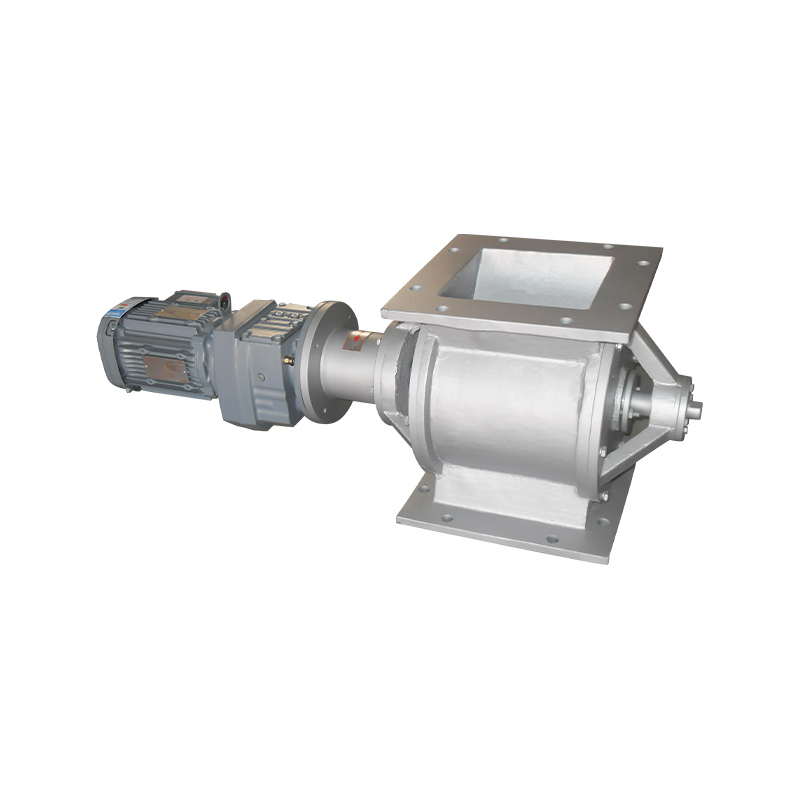


Understanding the Role of Rotary Valves in Material Conveying
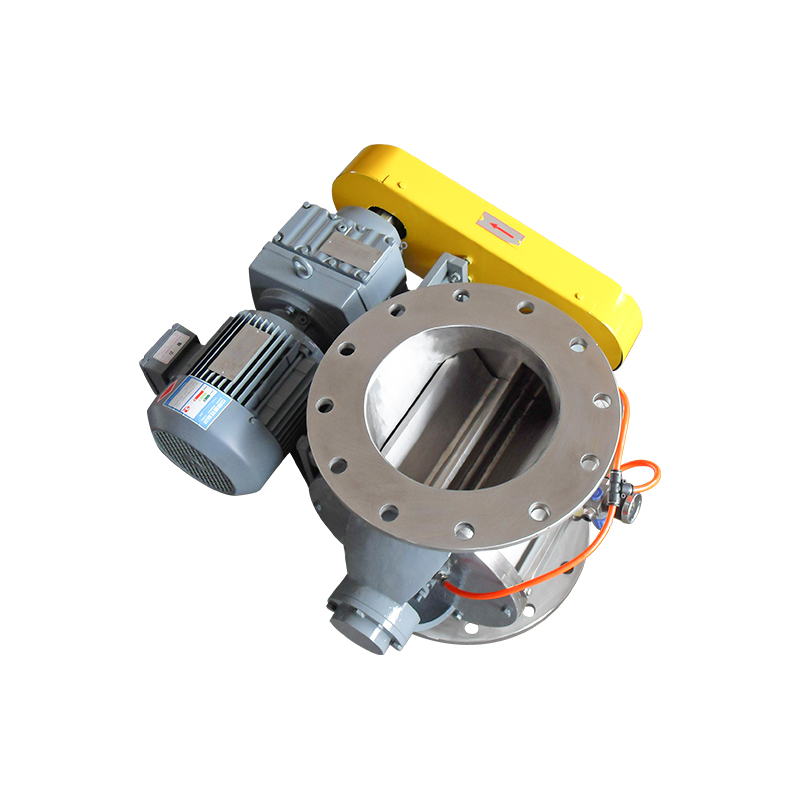
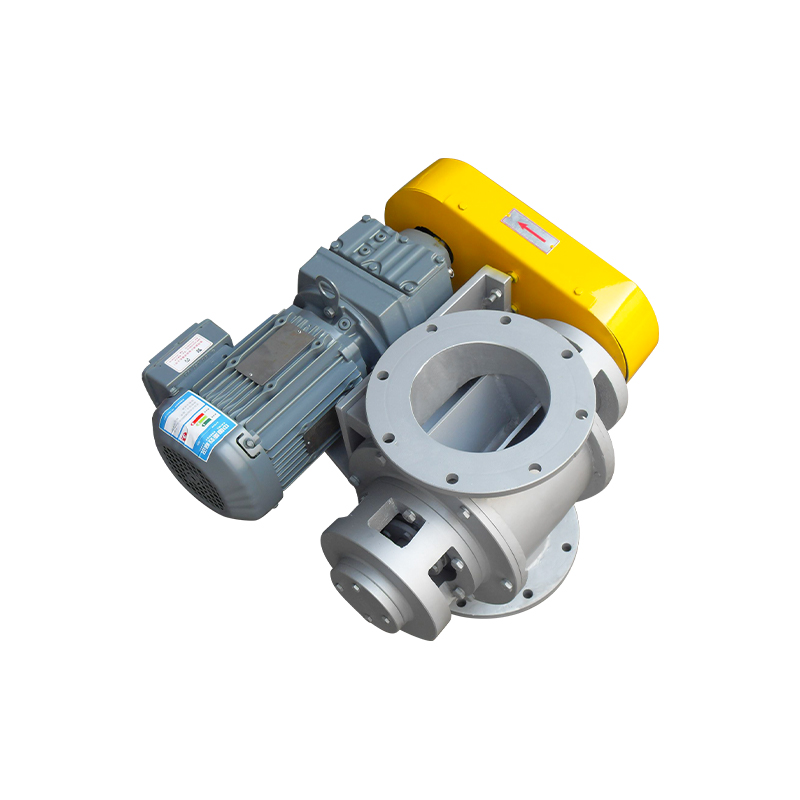
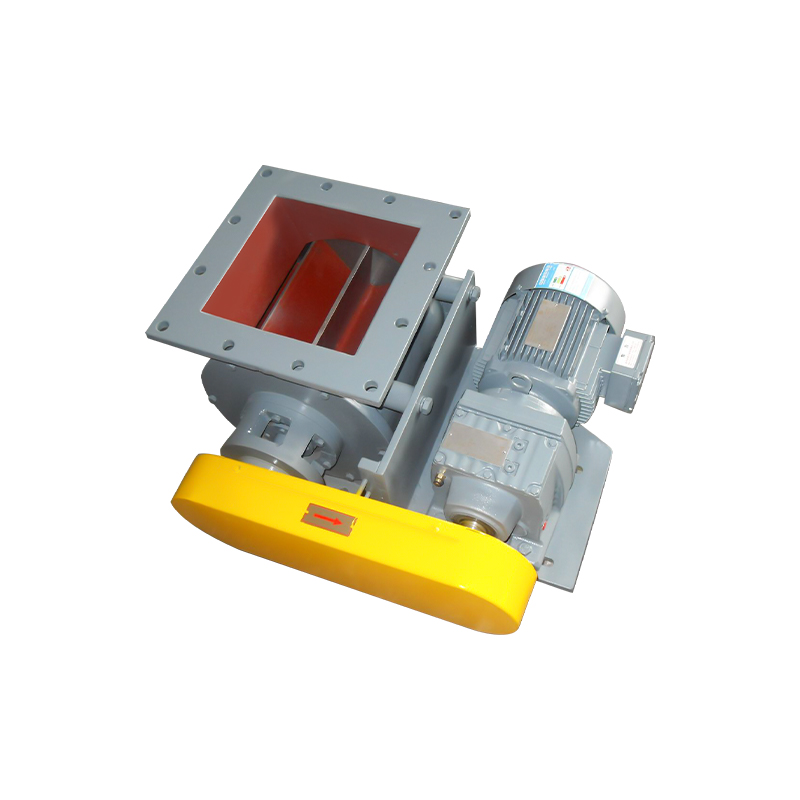
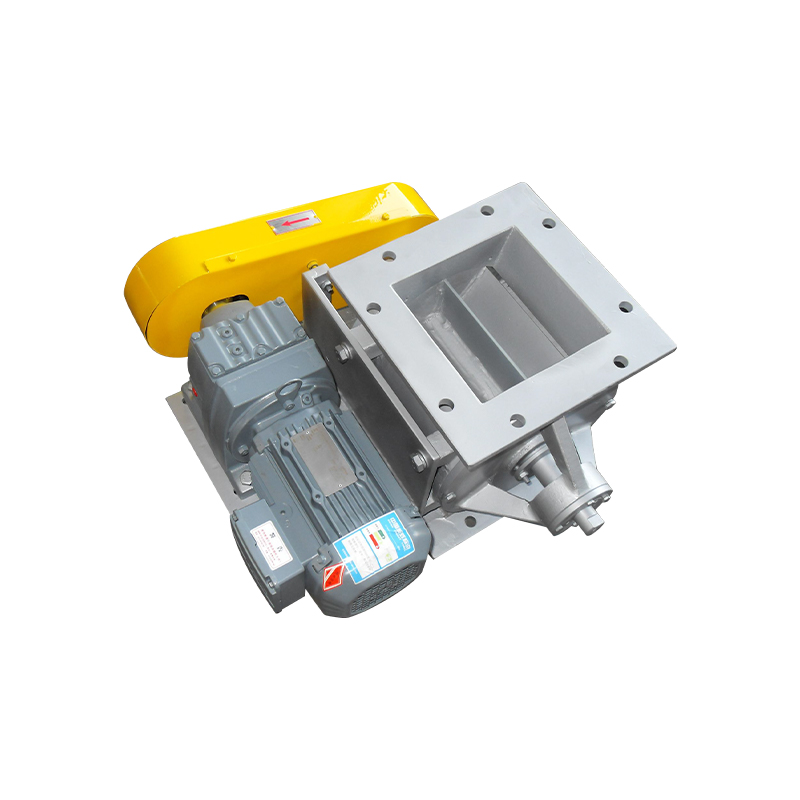
Rotary valves, also known as rotary airlocks, are essential components in pneumatic conveying systems, used to regulate the flow of bulk materials such as powders, granules, and pellets between two areas of differing pressure without allowing air to escape or contaminate the process. Positioned typically at the bottom of hoppers, silos, or cyclone separators, these valves ensure that material moves continuously through a system while maintaining the pressure differential necessary for efficient pneumatic transport.
A rotary valve functions through a rotor fitted with multiple pockets that turns within a close-tolerance housing, capturing material at the inlet and discharging it at the outlet as the rotor completes each rotation. This continuous, metered flow prevents air leakage that would otherwise disrupt vacuum or pressure conditions elsewhere in the conveying line, making rotary valves a critical link between material storage and transport stages in countless industrial processes.
Common Conveying Problems Rotary Valves Are Designed to Solve
Many material handling issues stem directly from poor airlock performance, making rotary valve selection a critical factor in overall system reliability. Understanding these common problems helps operators identify when a rotary valve upgrade or replacement may resolve persistent conveying issues.
Air Leakage and Pressure Loss
Excessive clearance between the rotor and housing allows air to leak backward through the valve, reducing the pressure differential needed to drive material efficiently through the conveying line. This leakage not only wastes compressed air or vacuum energy but can also cause inconsistent material flow downstream, leading to blockages or reduced throughput.
Material Bridging and Flow Interruption
Certain bulk materials, particularly those with high moisture content or fine particle size, tend to bridge or arch above the rotor, preventing consistent material flow into the pockets. This interruption can starve the conveying line of material, causing uneven production rates and unplanned downtime for manual intervention.
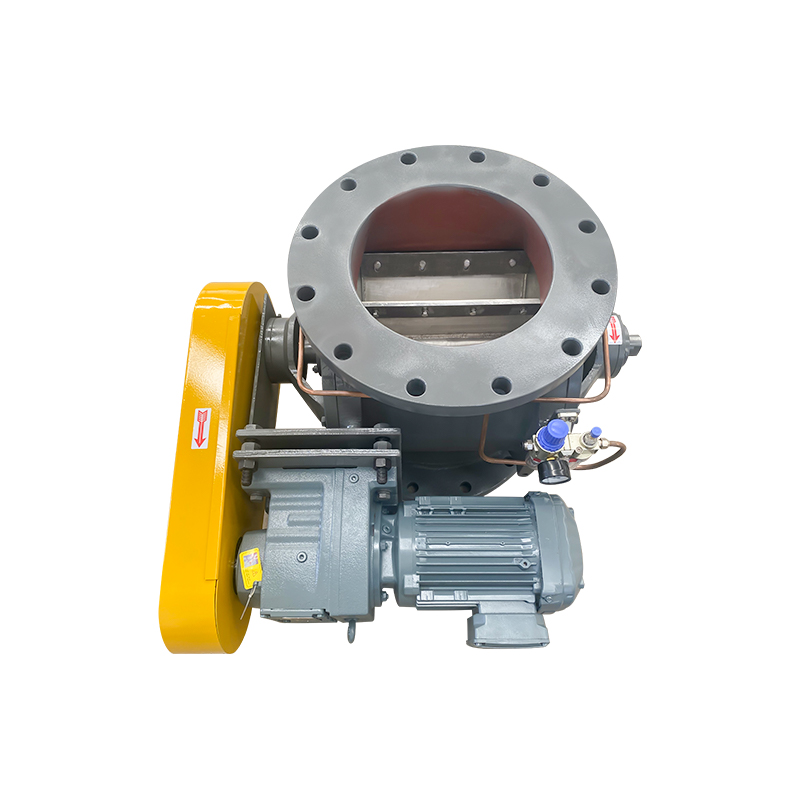
Excessive Wear and Maintenance Downtime
Abrasive materials can accelerate wear on rotor tips and housing surfaces, gradually increasing internal clearances and worsening air leakage over time. Without proper material-matched valve selection, facilities often face frequent maintenance cycles that increase both labor costs and unplanned production interruptions.
Types of Rotary Valves and Their Applications
Different rotary valve designs address specific material handling challenges. Selecting the correct type depends on the material characteristics, required air seal quality, and pressure conditions within the system.
Drop-Through Rotary Valves
Drop-through valves allow material to fall directly through the rotor pockets from inlet to outlet in a straight vertical path, making them well-suited for free-flowing materials such as grains, plastic pellets, and similar granular products where gravity assists consistent discharge.
Blow-Through Rotary Valves
Blow-through valves feature an integrated air channel that allows conveying air to pass directly through the rotor pockets, sweeping material out efficiently. This design is particularly effective for handling materials prone to sticking or bridging, as the direct air path helps clear pockets more reliably than gravity alone.
Offset Rotary Valves
Offset valves position the outlet slightly to one side of the inlet, which helps improve pocket filling for materials that are difficult to convey using standard drop-through designs. This configuration is often chosen for sticky or cohesive materials that require additional assistance achieving consistent pocket fill rates.
Comparing Rotary 밸브 종류s by Application
The table below summarizes which rotary valve type is generally best suited to specific material handling scenarios.
| Valve Type | Best Suited Material | 주요 장점 |
| Drop-Through | Free-flowing granules, pellets | Simple, reliable gravity discharge |
| Blow-Through | Fine powders, sticky materials | Improved pocket clearing |
| Offset | Cohesive, difficult-flow materials | Better pocket fill consistency |
Key Factors When Selecting a Rotary Valve
Choosing the right rotary valve requires evaluating several operational factors together, rather than focusing on a single specification in isolation.
- Material characteristics — consider particle size, moisture content, and abrasiveness before selecting a valve design.
- Pressure differential — confirm the valve can maintain an effective air seal under the system's specific operating pressure.
- Rotor and housing material — match construction materials to the abrasiveness or corrosiveness of the conveyed material.
- Required throughput — verify the valve's rated capacity aligns with the desired production rate.
- Maintenance accessibility — prioritize designs that allow easier inspection and rotor replacement to minimize downtime.
Maintenance Practices That Improve Rotary Valve Longevity
Routine maintenance plays a significant role in preserving rotary valve performance and preventing unplanned production interruptions. Regularly inspecting rotor tip clearances helps identify wear before it leads to significant air leakage, allowing for timely replacement of rotor components rather than reactive repairs after a system failure occurs.
Lubrication schedules should be followed closely according to manufacturer guidelines, as inadequate lubrication can accelerate bearing wear and increase the likelihood of unexpected downtime. Additionally, keeping detailed maintenance logs helps facilities identify patterns in wear rates across different materials, supporting more informed decisions about valve material upgrades or design changes for particularly demanding applications.
Resolving Conveying Issues Through Proper Valve Selection
Many persistent conveying problems, from inconsistent material flow to excessive energy consumption, trace back to a rotary valve that is mismatched to the specific material or system conditions it serves. By carefully evaluating material properties, pressure requirements, and wear characteristics, facilities can select a rotary valve configuration that minimizes air leakage, reduces maintenance frequency, and ensures steady, reliable material flow throughout the conveying system, ultimately improving overall process efficiency and reducing unplanned downtime.